
"this century"
10000 article(s) found

Dedicated to the intractable coffee addiction: caf é ORA Cafe in Berlin's century-old pharmacy
For the exchange of professional baristas, please follow the coffee workshop (Wechat official account cafe_style), a coffee shop converted from a century-old building, with the partial decoration of the former Pharmacy Bureau, located on a corner of the street of Berlin, with the Apotheke sign, which makes people curious to find out. European buildings often have old houses that have existed for more than a hundred years. For locals, these buildings that have time to write down their history

The history of coffee roaster basic knowledge of coffee
As early as the 13th century, the Arabs invented to put coffee beans in a pot, stir-fry them with fire, grind them into powder, and then brew coffee. The early Arabs liked to bake the beans shallowly and boil them with spices such as cardamom. Later, this coffee stir-frying method spread to Syria, Turkey and Egypt, where it was used to stir-fry the coffee black, then grind it into powder and add it.

The spread and Development History of Coffee in Europe
From the end of the 15th century to the beginning of the 16th century, coffee was already a popular drink in the Middle East, but it was also regarded as a kind of medicine. European ambassadors and merchants in the Turkish Empire also believed that coffee was a healthy drink with special curative effects, and many positive comments helped to import coffee into Europe. Lovov, a famous German doctor and botanist, wrote a book about coffee as early as 1582, but

Coffee Culture World Coffee History Development process 2
The first European description of coffee in 1573 was through German doctors staying in Syria. In the second half of the 16th century, the European people who traveled on the east coast of the land gradually spread. The British East India Company was established in 1660 and the East India Company was established in the Netherlands in 1602. The East India Company refers to the trade between Asia and Europe, South Asia and the East in the 17th and 19th centuries.

The alternative smell in the cafe
The posters on the streets in the 1970s or beyond were still in black and white, and there was a scene of deja vu black coffee and English classics, white shirts and black skirts, a piece of notepaper with the same profound memories as your black eyes, or not yours or mine, but deja vu the white car flew over the black road and let a cafe.

Coffee roaster Museum introduces the basics of coffee
Since the mid-19th century, coffee-roasting technology has evolved from the simplest home stove with a pan to today's giant computer-controlled automated roasting equipment (which can roast nearly five tons of coffee beans per hour). In 1877, the German commercial roaster began to have the patent design right, which is a baking designed by Emmerich Company.
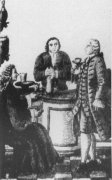
A brief History of Coffee in the World (2)
The first European description of coffee in 1573 was through German doctors staying in Syria. In the second half of the 16th century, the European people who traveled on the east coast of the land gradually spread. The British East India Company was established in 1660 and the East India Company was established in the Netherlands in 1602. The East India Company refers to the trade between Asia and Europe, South Asia and the East in the 17th and 19th centuries.

How coffee was introduced into Arabia
There is no way to prove the myth, and so far there is no historical evidence to prove the exact time and reason why the coffee arrived in the Arabian Peninsula, but one thing is certain that Ethiopia did invade the southern tip of the Arabian Peninsula in 525. And ruled Yemen for half a century. As a result, people tend to believe that coffee was introduced into the Arabian Peninsula during this period. After that,

Six questions related to Coffee
Coffee is a symbol of taste, fashion and cozy life, and its Fangchun is indispensable in the city. Answer six questions about coffee for you. Can coffee suppress sexual impulses? in the early 17th century, Europeans began to try to drink coffee. At that time, a popular idea in Britain was that coffee could suppress sexual impulses, drink too much and even lose sexual ability, which was liked by abstinent monks.
The alternative smell in the cafe
The posters on the streets in the 1970s or beyond were still in black and white, and there was a scene of deja vu black coffee and English classics, white shirts and black skirts, a piece of notepaper with the same profound memories as your black eyes, or not yours or mine, but deja vu the white car flew over the black road and let a cafe.

Cultural History of Fine Coffee Coffee Communication History (2)
The first European description of coffee in 1573 was through German doctors staying in Syria. In the second half of the 16th century, the European people who traveled on the east coast of the land gradually spread. The British East India Company was established in 1660 and the East India Company was established in the Netherlands in 1602. The East India Company refers to the trade between Asia and Europe, South Asia and the East in the 17th and 19th centuries.

The Development of World Coffee in World History 2
The first European description of coffee in 1573 was through German doctors staying in Syria. In the second half of the 16th century, the European people who traveled on the east coast of the land gradually spread. The British East India Company was established in 1660 and the East India Company was established in the Netherlands in 1602. The East India Company refers to the trade between Asia and Europe, South Asia and the East in the 17th and 19th centuries.
The history of coffee roasters
As early as the 13th century, the Arabs invented to put coffee beans in a pot, stir-fry them with fire, grind them into powder, and then brew coffee. The early Arabs liked to bake the beans shallowly and boil them with spices such as cardamom. Later, this coffee stir-frying method spread to Syria, Turkey and Egypt, where it was used to stir-fry the coffee black, then grind it into powder and add it.

The flavor and taste of Ugandan coffee with extremely light aroma introduction to the characteristics of boutique coffee in manor area
There was an emirate called Kitala in present-day western Uganda before the 13th century AD. In the 13th and 14th century, the nomadic Bachwezi conquered the country. From the end of the 15th century to the beginning of the 16th century, the Luo people who originally lived in southern Sudan went south to replace the rule of the Bachwezi, established the kingdom of Buniolo and established the Babito dynasty in Buganda. These foreign rulers were soon engaged in agriculture locally.
Boutique coffee culture do you know the origin of coffee
About the sixth century AD, legend has it that in Ethiopia (the Republic of Northeast Africa, the full name of the Federal Democratic Republic of Ethiopia, Amharic is the national language, English is widely spoken, and the capital Addis Ababa.) On the plateau, shepherd Kaldi found that every time his sheep ate the fruit of a wild shrub, he could not help but get excited.
Coffee goes through all over the world
From the 17th century to the early 18th century, the habit of drinking coffee spread from Europe, from the west to the whole of Europe, and eastward to India and present-day Indonesia. As for coffee as a growing crop, the Islamists brought the seeds from Yemen to India, and then Europe introduced the seeds to Ceylon and Java. Bring seeds from Java to Amsterdam

Six questions related to coffee can coffee suppress sexual impulses?
Coffee is a symbol of taste, fashion and cozy life, and its Fangchun is indispensable in the city. Answer six questions about coffee for you. Can coffee suppress sexual impulses? in the early 17th century, Europeans began to try to drink coffee. At that time, a popular idea in Britain was that coffee could suppress sexual impulses, drink too much and even lose sexual ability, which was liked by abstinent monks.

The spread of coffee and the chronicle of the cultivation of coffee began in the 15th century.
The spread of coffee the cultivation of coffee began in the 15th century. For hundreds of years, Yemen in the Arabian Peninsula is the only coffee producer in the world, and the market demand for coffee is very strong. In the Yemeni port of Moka, when coffee is shipped out, it often needs to be protected by heavy troops. At the same time, Yemen has also taken various measures to prevent coffee saplings from being taken out of the country. Although there are many restrictions
Basic knowledge of boutique coffee six questions related to coffee
Coffee is a symbol of taste, fashion and cozy life, and its Fangchun is indispensable in the city. Answer six questions about coffee for you. Can coffee suppress sexual impulses? in the early 17th century, Europeans began to try to drink coffee. At that time, a popular idea in Britain was that coffee could suppress sexual impulses, drink too much and even lose sexual ability, which was liked by abstinent monks.